AMM connects scientific research with practical advice across occupational safety, occupational hygiene, and work and organisational behaviour. Independent analysis helps organisations understand workplace questions and decide what to do next.
Experience in the NetherlandsOpen to international collaborationScientific methods, practical advice
TWO AREAS OF EXPERTISE, ONE SCIENTIFIC FOUNDATION
Understand the risks. Understand the organisation.
Working conditions and organisational behaviour are closely connected. AMM applies scientific research methods to both, examining the evidence and translating findings into clear advice.
Occupational safety and hygiene
Research and review of occupational risks, working conditions, physical workload and control measures, with attention to human and organisational factors.
Occupational risks and hygiene
Review risk analyses, procedures and control measures, considering their supporting evidence, relevance and scope.
Safety culture and incidents
Examine risk perception and human and organisational factors to identify lessons and guide improvements.
Ergonomics and training
Review working conditions and develop training around real workplace situations.
Selected work in the Netherlands from 2022–2026. These examples describe research, reviews and advice, including Andreas’s specialist contributions within partner-led assignments.
2026 · Professional services
Psychosocial analysis of existing data
AMM brought together research findings, absence data and policies in an analysis with advice for the action plan.
What was done?
AMM performed a secondary analysis of existing research data and connected the findings with absence data and policies. The result was an advisory report setting out priorities for the action plan.
2026 · Social care
Job demands and resources in teams
AMM analysed job demands and available resources and developed team-focused psychosocial advice.
What was done?
AMM used existing survey data and the JD-R model to analyse the relationship between job demands and available resources. The findings were developed into a team-focused psychosocial advisory report.
2026 · Mental healthcare
Risk review and process advice
AMM reviewed risk assessment documents for several locations and advised on the organisation of the file and next steps.
What was done?
AMM’s role: review, overarching analysis and process advice. The original risk assessment documents were prepared by the organisation.
2025 · Food production
Review of a physical workload study
AMM reviewed a detailed physical workload study and advised on its supporting evidence and action plan.
What was done?
AMM provided the technical review and advice. The original study was carried out by another specialist organisation.
2024 · Building materials · specialist experience
A collaborative risk assessment review
Andreas reviewed the risk assessment and action plan alongside other specialists in a partner organisation’s project.
What was done?
Andreas contributed his specialist expertise to the joint review. The formal report and contract belonged to the partner organisation.
2022 · Technical services
A joint risk assessment review
AMM reviewed a risk assessment in a technical service environment together with a second specialist.
What was done?
AMM conducted the joint review with a second specialist, focusing on the risk assessment and its action plan.
Anonymised Dutch examples. Each description identifies the work undertaken and the role of AMM or Andreas.
6 visible examples
SCIENTIFIC METHODS
Examine the evidence. Make informed decisions.
The research question determines the method. AMM examines data quality, compares sources and uses relevant scientific literature and models. Conclusions distinguish what the evidence shows from what remains uncertain.
Quantitative analysis
Analyse existing survey, research and sickness absence data to identify patterns relevant to the research question.
Document analysis and source comparison
Review reports, procedures and policies, comparing findings across sources to assess consistency and supporting evidence.
Scientific literature and models
Use relevant research and established models, such as the Job Demands–Resources (JD-R) model, to interpret workplace findings.
01
Define the question
Agree the objective, context and scope of the project.
02
Investigate and analyse
Connect data, experiences and findings with everyday work.
03
Give direction
Translate the analysis into clear advice and practical priorities.
04
Support implementation
Help with change and review what the organisation needs to move forward.
RESEARCH WITH A HUMAN PERSPECTIVE
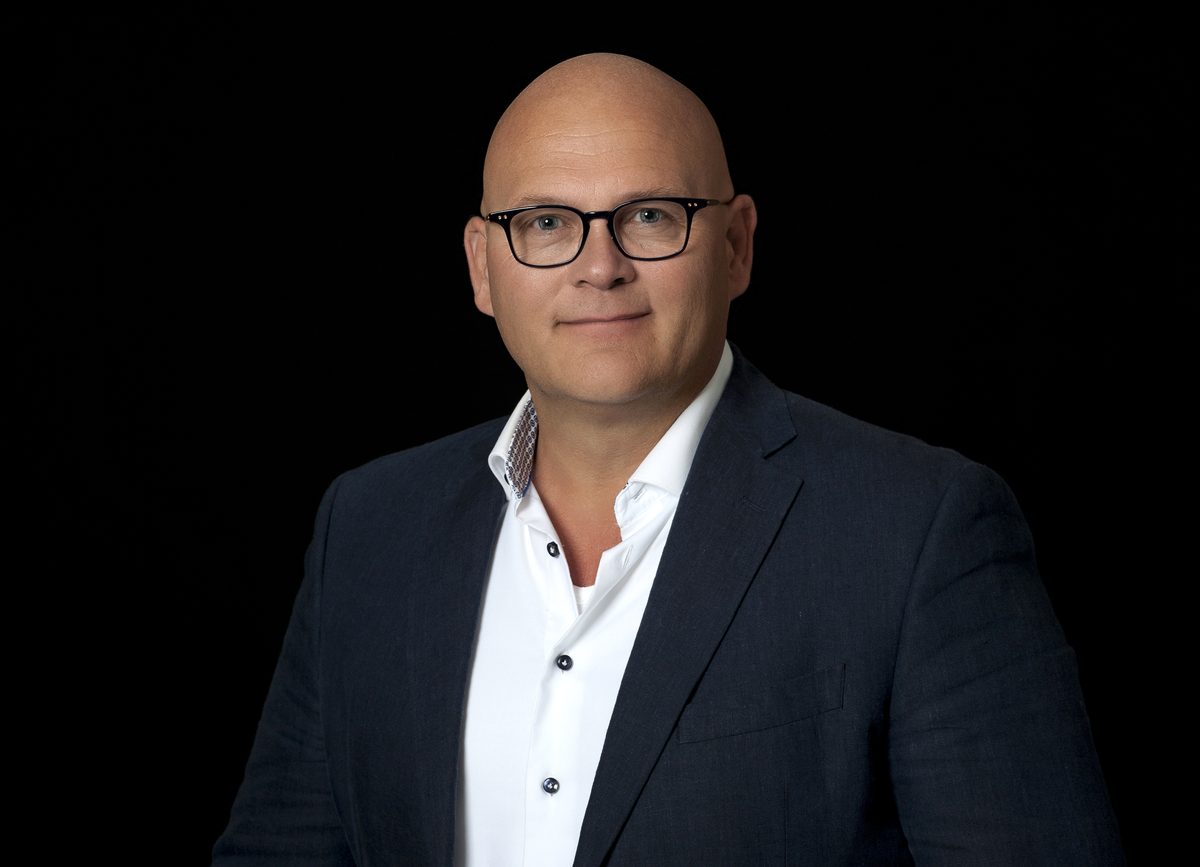
Dr. A.J.F. (Andreas) Verbeek
Andreas brings occupational safety and hygiene together with work and organisational expertise. Scientific research methods underpin his analysis and advice on workplace risks, workload, behaviour, leadership and collaboration. His focus is on clear findings and practical recommendations.
Occupational safety · Occupational hygiene · Work and organisation
International collaboration. AMM welcomes enquiries from organisations and professional partners worldwide. Projects combine independent research and advice with knowledge of your workplace and, where relevant, collaboration with local specialists.
LET’S TALK
What is happening in your organisation?
Tell Andreas about your workplace question, research needs or proposed collaboration. Start with the context, the decisions you face and what you need to understand.
Dr. A.J.F. (Andreas) Verbeek
Independent research and advice AMM Consultancy B.V. · The Netherlands